News
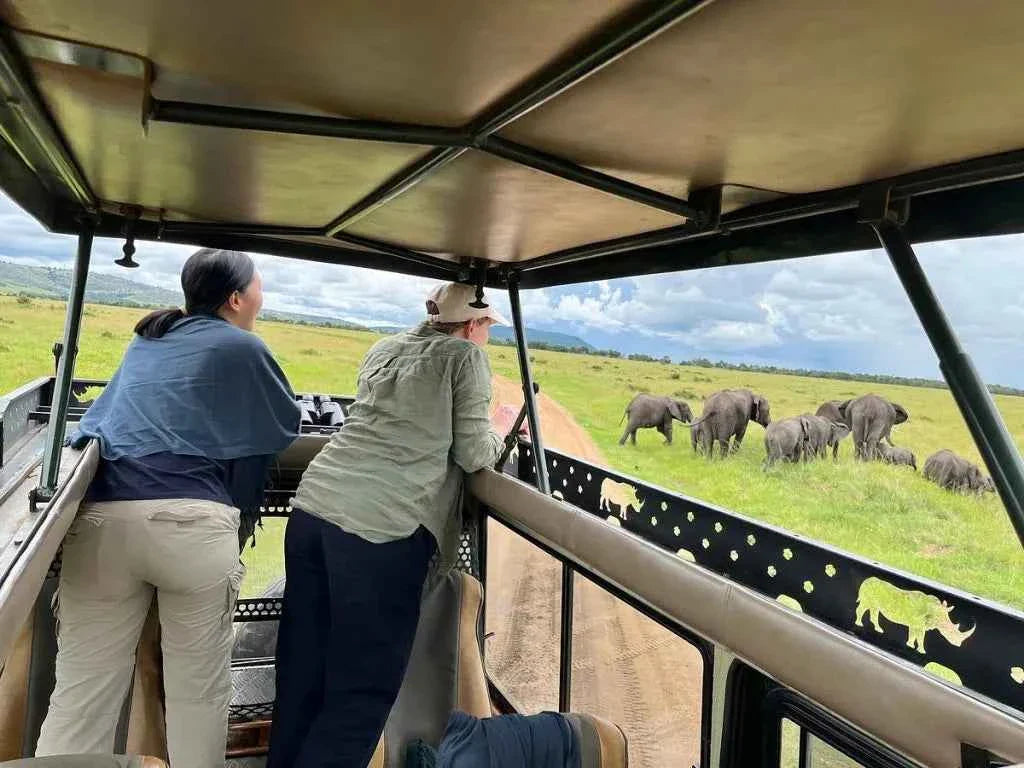
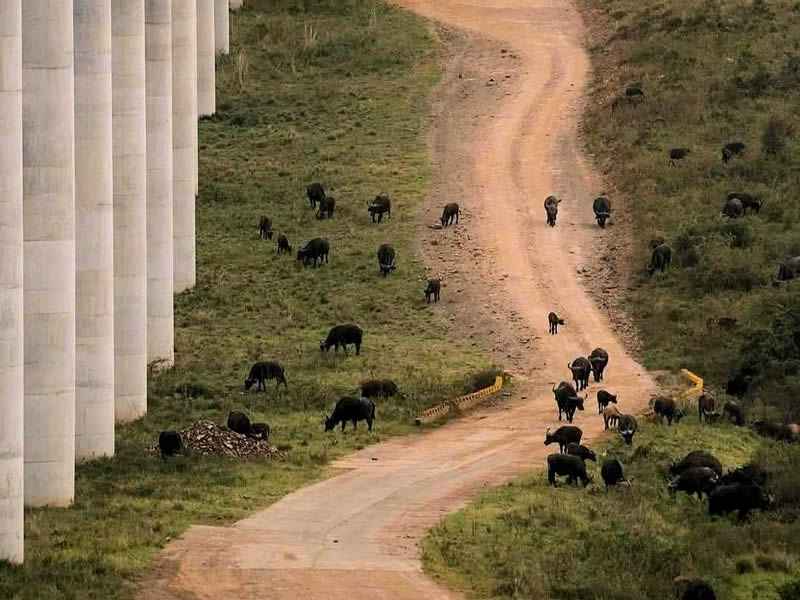
The wildebeest migration is the largest animal movement on earth — over 1.5 million wildebeest, zebra, and gazelle moving in a continuous loop between Tanzania's Serengeti and Kenya's Masai Mara. It is one of the greatest wildlife spectacles the natural world has to offer, and planning your trip around the right window makes all the difference between a good safari and an extraordinary one. This guide covers everything you need to know.
What Is the Wildebeest Migration?
The migration is not a single event — it is a continuous, year-round movement of animals following rainfall and fresh grass across the Serengeti-Mara ecosystem. The herds never stop moving. What visitors come to witness are specific phases of this movement — particularly the dramatic Mara River crossings, where the herds plunge across crocodile-infested waters between Tanzania and Kenya in scenes of extraordinary tension and spectacle.
The migration involves approximately 1.5 million wildebeest, 400,000 zebra, and 200,000 Thomson's gazelle. The total distance covered in the annual loop is roughly 1,800 kilometres.
The Migration Calendar — Month by Month
January – February: Calving Season, Southern Serengeti
The herds are in the southern Serengeti (Tanzania) during the calving season — one of the most remarkable periods of the migration. Approximately 400,000 calves are born within a 2 to 3 week window in February. Predator activity is exceptionally high. This is an underrated time to visit — fewer tourists than July to September, with dramatic wildlife interactions.
March – May: Moving North Through the Serengeti
The herds begin their northward journey through the central and western Serengeti. The long rains arrive in April and May, making some roads challenging. This is the quietest period in the Masai Mara and Serengeti — significant discounts are available at many camps and lodges.
June: Entering the Mara Ecosystem
The migration begins crossing into Kenya's Masai Mara ecosystem from June. The first river crossings of the season can occur in late June. Kenya's dry season begins, bringing excellent game viewing conditions and the best photographic light of the year.
July – August: Peak River Crossings Begin
July and August are the most popular months to visit the Masai Mara for the migration. The herds are fully in the Mara, river crossings are frequent, and predator activity — lions, cheetahs, leopards, and hyenas — is at its highest. Book accommodation and flights well in advance for this window — it fills months ahead.
In 2026, July also coincides with the FIFA World Cup knockout stage — visitors staying at Karen Plains Hotel in Nairobi can combine Mara game drives with live World Cup screenings at Moss Oasis restaurant. Learn more about our World Cup screenings here.
September – October: River Crossing Peak
September is arguably the best month for river crossings — the herds are fully established in the Mara, crossings are frequent, and crowd levels are slightly lower than August. October sees the herds beginning their southward return, but game viewing remains excellent and this is one of the best value months of the peak season.
November – December: Return South
The herds begin moving south again from November, crossing back into Tanzania. The short rains arrive — usually lighter and more predictable than the long rains. Some visitors prefer this period for its quieter atmosphere and good game viewing before the rains fully set in.
The Mara River Crossings — What to Expect
The river crossings are the most dramatic moments of the migration — and the most unpredictable. The wildebeest gather at crossing points along the Mara River, sometimes for hours, before one animal leads the charge into the water. Nile crocodiles wait in the shallows. The crossing can involve hundreds or thousands of animals moving in a matter of minutes — chaotic, dangerous, and utterly unforgettable.
Key things to know about the crossings:
- They are completely unpredictable — you may witness multiple crossings in one day, or spend several days waiting for one
- The best strategy is to position yourself at a crossing point and wait — patience is rewarded
- Early morning crossings are most common, though they can happen at any time of day
- A good guide with strong local knowledge significantly increases your chances of being in the right place
Where to Base Yourself for the Migration
Inside the Masai Mara
For the river crossings, staying inside or adjacent to the Masai Mara National Reserve is ideal. Camps and lodges near the Mara River — in areas like the Mara Triangle, Olare Motorogi, or Ol Kinyei conservancies — give you the quickest access to crossing points. Book these 6 to 12 months in advance for peak season.
Nairobi as Your Gateway
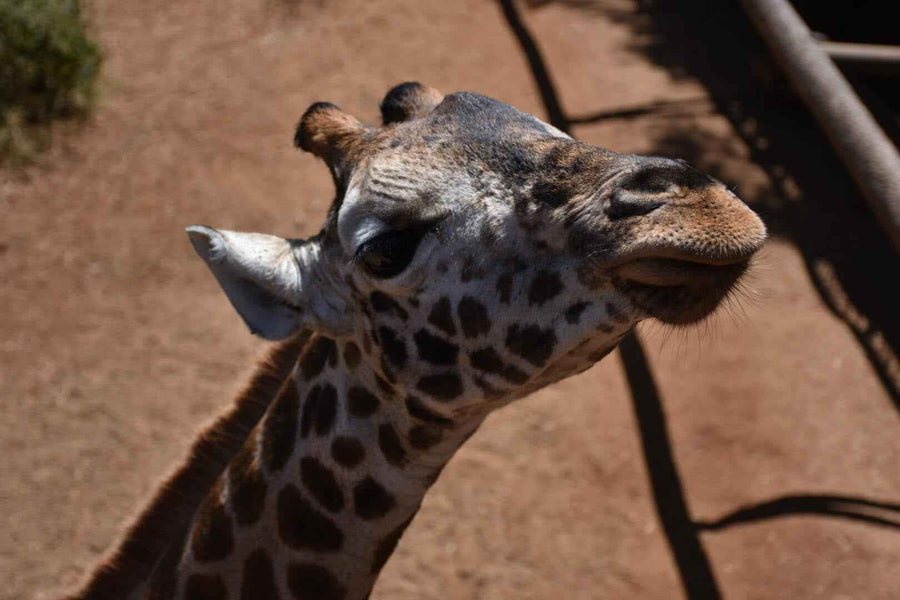
Most visitors to the Masai Mara fly into JKIA and connect to a Mara flight from Wilson Airport. Spending a night or two in Nairobi before and after your Mara stay adds significant value — a game drive at Nairobi National Park, a visit to the Giraffe Centre, and a proper rest before the safari.
Karen Plains Hotel in Karen is the ideal Nairobi base for migration visitors — 10 minutes from Wilson Airport, 10 minutes from Nairobi National Park, and offering Masai Mara safari packages arranged directly from the hotel. Read our guide on where to stay in Nairobi for a safari stopover for more detail.
Getting to the Masai Mara
There are two main options from Nairobi:
- By air: Scheduled flights from Wilson Airport to Masai Mara airstrips (Keekorok, Ol Kiombo, Angama) take approximately 45 minutes. Multiple daily departures with Safarilink, AirKenya, and Fly540. Luggage limits of approximately 15kg in soft bags apply.
- By road: 5 to 6 hours from Nairobi through Narok. A 4x4 is recommended for the final stretch on murram roads. Scenic, but long — best for visitors with flexible time.
Our guide on Nairobi to Masai Mara: road vs. flight covers the full comparison with costs, timing, and recommendations for different trip types.
How Long Should You Stay in the Masai Mara?
A minimum of 3 nights gives you a realistic chance of witnessing a river crossing. 4 to 5 nights is the recommended window for visitors specifically targeting the crossings — it allows for multiple game drives at different crossing points and absorbs the unpredictability of the herds. Longer stays of 7 nights or more give the best overall Mara experience but are typically for dedicated wildlife enthusiasts.
What to Pack for a Migration Safari
- Neutral-coloured clothing — khaki, olive, beige (avoid bright colours and white)
- Layers — mornings in the Mara can be cold (12–15°C), afternoons warm (25–30°C)
- Good binoculars — essential for spotting wildlife and watching river crossings from a distance
- Camera with a long lens — 200–400mm is ideal for wildlife photography
- Sun protection — hat, sunscreen, and sunglasses for open vehicle drives
- Dust-proof bag for camera and electronics
Book Your Migration Trip Base in Nairobi
Karen Plains Hotel is the ideal Nairobi base before and after your wildebeest migration safari. Comfortable rooms, daily breakfast, fast WiFi, and 24-hour power backup — everything you need for a smooth migration season stay. We are 10 minutes from Wilson Airport and can arrange Masai Mara safari packages directly.
Book your migration season stay here or WhatsApp us on +254 796 989 928 to discuss your safari itinerary.