News
Ringing in the new year from the forest edge of Karen, this is a Nairobi-and-beyond field guide for travellers who want more: more meaning, more connection, more intention — and less noise, less extractive tourism, less copy-paste itineraries.
Kenya is having a serious travel moment. International arrivals and revenues are surging past pre-pandemic highs, fuelled by safari icons, coastal escapes, cultural festivals, creative scenes and a new wave of remote workers and digital nomads calling Nairobi home. At the same time, national strategies and sector reforms are pushing sustainability, dispersal of benefits and higher-quality experiences, not just higher headcounts.
So the question is no longer should you come, but how to do Kenya and Nairobi better in 2025 — in a way that feels good for you and good for the places and people hosting you.
Enter Karen Plains Hotel (KPH): a boutique, art-forward, slow-city base in Karen that sits right at the intersection of everything this new era of Kenyan travel is about.
Here’s the manifesto.

1. Rediscover the joy in real Nairobi (beyond the algorithm)
In 2026, Kenya isn’t just safari reels and infinity pools in Diani. It’s poetry nights in Kilimani, design studios in industrial estates, Maasai beadwork reimagined, rooftop vinyl sessions in Westlands, sunrise runs under Jacaranda trees, and conversations with people who actually live here.
Travel better by:
Swapping “24 hours in Nairobi” for 3–7 nights based at Karen Plains Hotel: arrive, exhale, then build your days from a grounded home instead of a layover blur.
Letting locals, not TikTok, shape your plans: KPH’s concierge-style team curates nights at independent restaurants, arts spaces, bookstores, markets and live music venues that rarely make global lists, but define the real city.
Leaving room for serendipity: a studio visit with a Nairobi painter, a last-minute game drive at Nairobi National Park, a vintage shopping detour in town, a Sunday farmers’ market.
Karen Plains Hotel becomes your Nairobi “editor” — filtering the noise so you can follow curiosity instead of clichés.
2. Prioritise health, headspace & nervous system-friendly travel
Travel in 2026 is also about how your body and brain feel during the journey, not just what’s on the camera roll.
Nairobi’s altitude, soft mornings and leafy suburbs make it a natural reset point between long-haul flights, field work, boardrooms and safaris. Deep sleep, clean food, strong coffee, sun and birdsong: simple, effective biohacking.
Travel better by:
Using Nairobi (and Karen Plains Hotel) as your jet-lag and decompression lab: quiet rooms, blackout curtains, hot showers, strong Wi-Fi when needed, silence when not.
Building movement into the city: forest walks at Oloolua, trail time in Karura, laps in hotel gardens, light strength work in-room; letting green spaces align your rhythm before heading out countrywide.
Choosing stays that understand wellbeing is more than a spa menu: KPH’s scale and setting make it easy to eat fresh, sleep deep, and opt out of sensory overload without opting out of the city.
You leave Nairobi better than you landed, not wrecked.

3. Slow down: Nairobi + Kenya as one long, layered story
The future of travel in Kenya is slow: fewer hops, longer stays, deeper bonds. Trends across Africa show travellers trading checklist safaris for immersion, creative residencies, rail routes, road trips and remote-work months.
Travel better by using Karen Plains Hotel as your hinge-point:
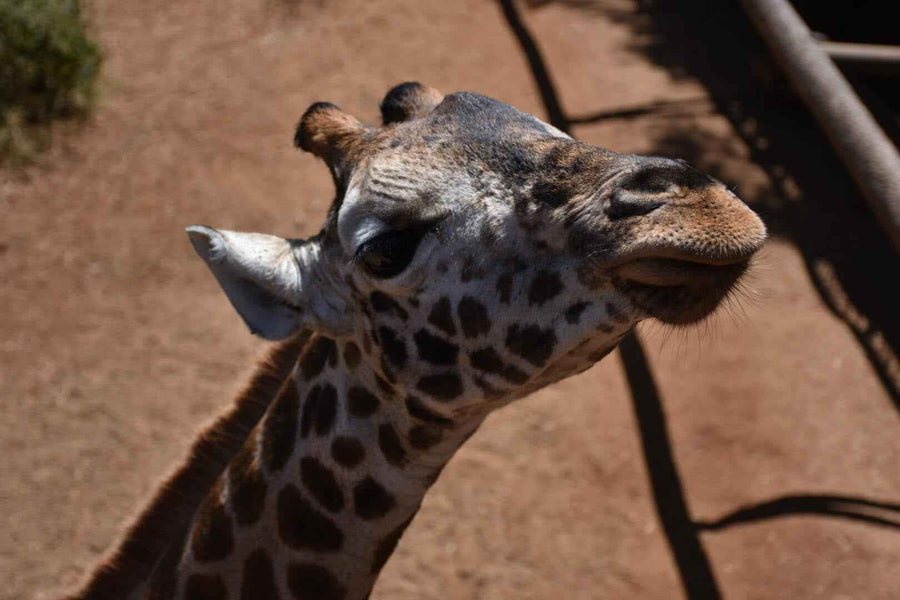
Start with 3–5 nights at Karen Plains Hotel to explore Nairobi National Park, Giraffe Centre, Karen Blixen Museum, Oloolua, art galleries and food culture.
Then move by road or rail:
To Naivasha & the Rift Valley: bike among wildlife, hike, climb, sail.
-
-
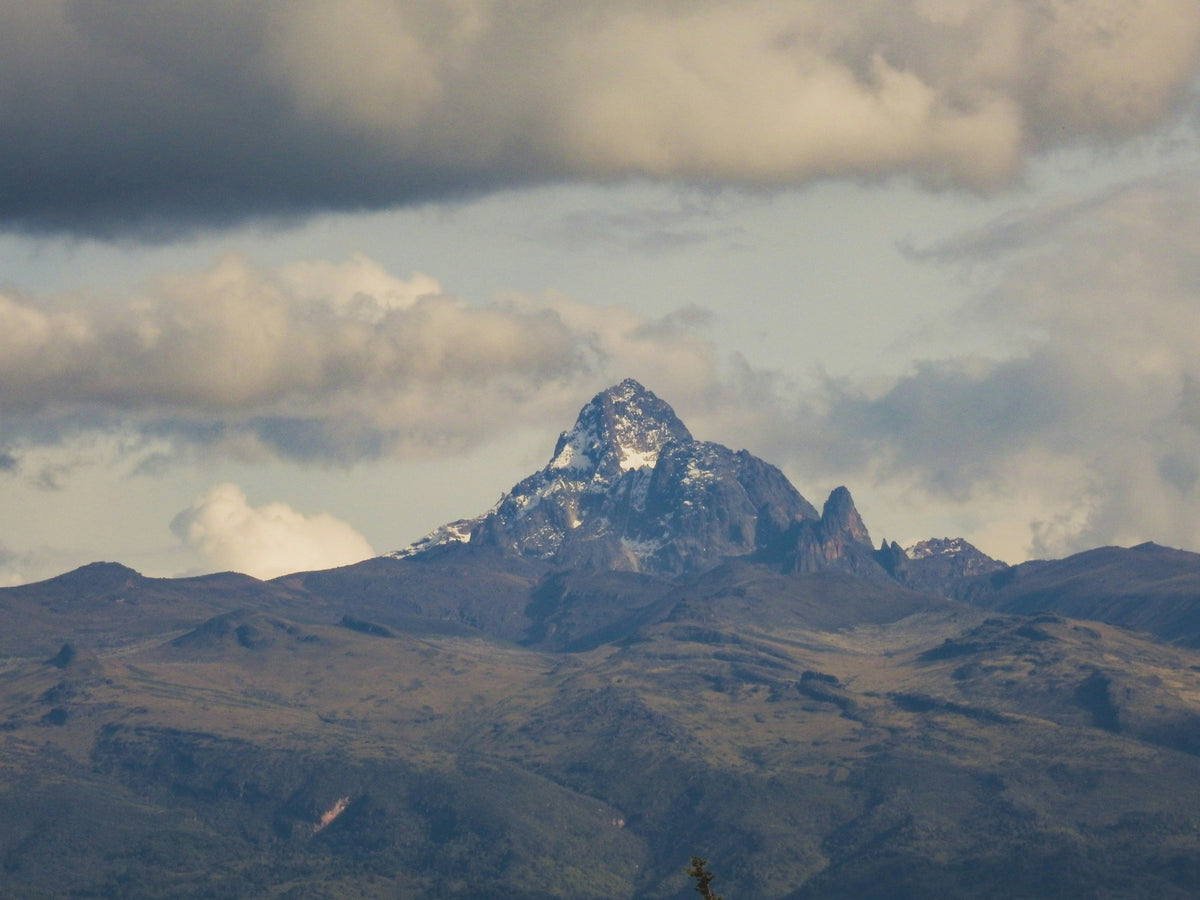
To Nanyuki & Laikipia: conservation-led lodges, night skies, ranchland.
To the Coast (Lamu / Kilifi / Diani / Watamu): use the SGR + short transfers, or smartly timed flights, and stay long enough to know your local chai spot.Circle back to KPH as your soft landing before flying out: laundry, downloads, inbox, one last breakfast under the trees.
-
One trip. Multiple ecosystems. Minimal repacking. Maximum understanding.
4. Take the Kenyan path less trodden (without being a saviour)
Kenya’s icons (Maasai Mara, Diani, Amboseli) are iconic for a reason. Keep them. But 2025 calls for smarter dispersal: supporting alternative parks, community conservancies, city neighbourhoods and coastal towns where tourism sustains, not suffocates.
Travel better by:
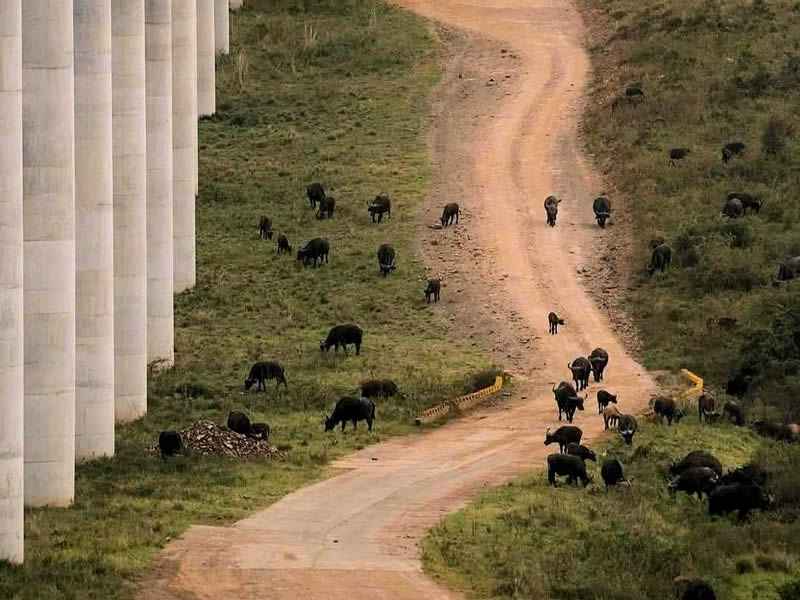
Pairing big names with “second-glance” gems: Nairobi National Park and Ol Pejeta; Diani and the quieter coves of Kilifi; Mara and community-run conservancies.
Choosing shoulder seasons and off-peak days to avoid crushes and reduce strain on habitats.
Treating Nairobi itself as a destination, not a layover: galleries, collectives, bookshops, craft markets, fashion studios, skate parks, underground music.
KPH’s role here: to point you toward verified operators and experiences where your spend lands in real Kenyan hands — not just in glossy brochures.
5. Trust technology, but anchor in humans (hi 👋)
Yes, AI, booking platforms and Uber-style logistics are rewiring how we move. Kenya is at the front of that curve: from e-visas and digital payments to a new Digital Nomad Permit designed to attract remote workers.
Tech can make planning your Kenya route beautifully efficient. It can also push you into the same five viral spots, at the same time, with the same caption.
Travel better by:
Using tools (including AI trip planners) to sketch ideas — then running them past actual Kenyans.
Letting KPH act as your human filter:
- sanity-checking routes,
- warning you about exploitative experiences,
- suggesting operators with real credentials,
- balancing convenience with ethics and safety.
For digital nomads: basing at KPH in Karen for a month+ with:
- reliable Wi-Fi & workspace,
- safe late-night arrivals,
- easy access to co-working hubs, studios, gyms and nature.
Machines to map; humans to interpret; Karen Plains Hotel to host.

6. Demand more from your stays (and let them prove it)
Kenya’s tourism future is being measured in real numbers: emissions, water, waste, jobs, local sourcing — not just “eco” in a caption. Policies and watchdogs are tightening; travellers should, too.
Travel better by asking:
1. How does this hotel treat its staff?
2. Who made the art on these walls?
3. Where is the food grown, and by whom?
4. How is waste, water and energy actually handled?
At Karen Plains Hotel, the answers are part of the story: a small, locally rooted team; collaboration with Kenyan artists and makers; partnerships with ethical guides; a mindset of “quietly doing the work” over greenwashed buzzwords. (If you’re not hearing specifics wherever you stay, that’s your sign)
7. Enjoy making a positive impact (without turning it into a performance)
To travel better in Kenya in 2025 is to travel with respect:
Pay park fees without complaining: they fund conservation.
Tip fairly. Learn a few Swahili phrases. Ask before you photograph people.
Eat at Kenyan-owned spots, buy directly from artisans, choose community-led tours that feel dignified, not voyeuristic.
Listen. Kenya is not just landscapes; it’s politics, labour, climate, creativity, humour, resistance, reinvention.
Karen Plains Hotel curates this gently: connecting you to credible social enterprises, women’s groups, designers, galleries and grassroots initiatives if — and only if — you’re genuinely interested.
You don’t have to fix anything. Just leave each place a little better: with your spend, your attention, your attitude.
Why KPH is your 2025 Kenya basecamp
Because travelling better here looks like:
One thoughtful hub in Karen’s green quiet, 20–40 minutes from the CBD, Wilson Airport, Nairobi National Park and major attractions.
Stays that work for weekenders, remote workers, creative residencies, NGO teams, founders, filmmakers, families.
A house culture built on:
- art instead of clichés,
- context instead of chaos,
- curiosity instead of extraction.
Join us for the journey.
Subscribe to the Karen Plains Hotel newsletter for Nairobi city guides, Kenya road trip routes, slow travel tools, last-minute offers, and stories from the people shaping this place.